Understanding the psychological traps in gambling decisions
The Allure of Near-Wins
One of the most significant psychological traps in gambling is the allure of near-wins. Gamblers often experience a heightened emotional response when they come close to winning. This phenomenon creates a misleading perception that a win is imminent, encouraging continued play. When players encounter these near-wins, they tend to misinterpret their chances, believing they are on the verge of a successful outcome.

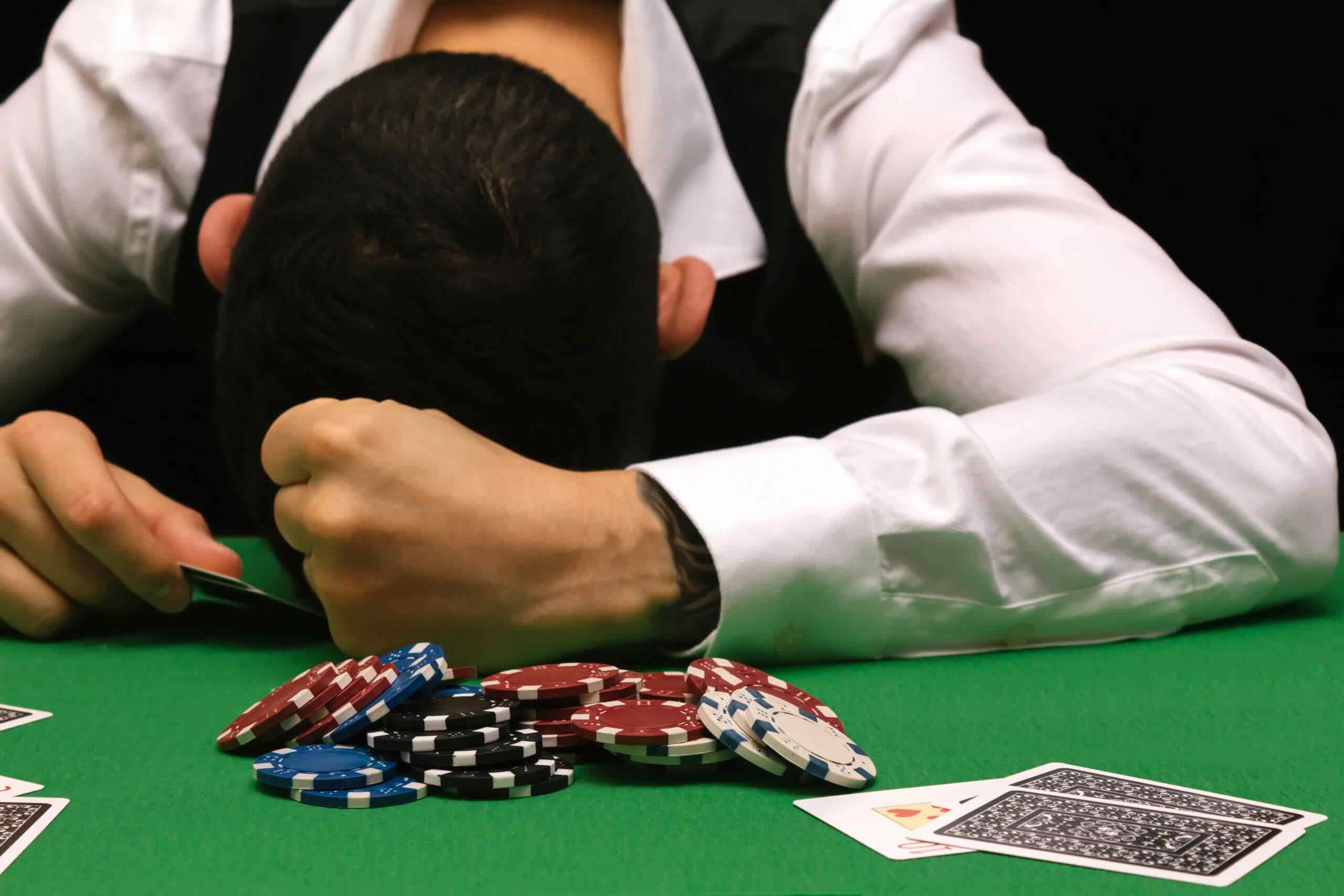
This trap can lead to a cycle of chasing losses and increasing bets, driven by the false hope generated by these near-wins. Understanding this psychological mechanism is crucial for gamblers, as it can lead to poor financial decisions and extended playtime, ultimately resulting in significant losses. In exploring various platforms, you may find australian online casinos that offer valuable insights to avoid such traps.
The Illusion of Control
The illusion of control is another psychological trap that often ensnares gamblers. Many individuals believe they can influence the outcome of games through skill or strategy, despite the inherent randomness involved in gambling. This belief can be particularly strong in games like poker, where players feel their decisions impact the results. However, this illusion can lead to overconfidence and reckless betting behavior.
When gamblers think they have more control than they actually do, they may take unnecessary risks, often doubling down on bets after losses. This misguided confidence can create a false sense of security, driving players to engage in more gambling than they initially intended, compounding their losses.
The Sunk Cost Fallacy
The sunk cost fallacy is a common cognitive bias where individuals continue to invest time, money, or effort into a decision based on previously invested resources, even when it’s clear that further investment is unwise. In gambling, this means players may feel compelled to keep betting to recoup their losses, thinking that the more they wager, the more likely they are to recover what they’ve lost.
This fallacy can lead to devastating outcomes, as players often end up losing even more money in their quest to reclaim their initial investment. Recognizing the sunk cost fallacy is vital for responsible gambling, as it encourages individuals to make decisions based on future potential rather than past expenditures.
The Role of Technology in Gambling Behavior
With the advent of technology, gambling has transformed significantly, impacting decision-making processes. Online casinos and gaming apps have made gambling more accessible, allowing individuals to play anytime and anywhere. This convenience can exacerbate existing psychological traps, as players may find themselves engaging in impulsive gambling behavior without the traditional barriers present in physical casinos.
Additionally, technology leverages algorithms and data analytics to create highly engaging experiences that can lead to increased gambling activity. Features like instant betting and enticing notifications can capture players’ attention, encouraging them to take risks they might otherwise avoid. Understanding the role of technology in shaping gambling behavior is essential for recognizing and mitigating psychological traps.
Explore Safe and Trusted Online Casinos
As you navigate the complexities of gambling, it’s crucial to engage with safe and trusted platforms that prioritize responsible gaming. Our website offers comprehensive guides and expert reviews of online casinos, helping players make informed decisions while avoiding psychological traps. We focus on providing valuable insights into the latest promotions and gaming experiences available.
Whether you’re a seasoned player or just starting, our resources are designed to enhance your gaming journey. By understanding the psychological factors at play, you can enjoy a more balanced and responsible approach to gambling, ensuring that your experiences remain fun and engaging.