
The Ultimate Guide to Forex Trading: Strategies, Tips, and Insights
In recent years, Forex trading has gained immense popularity among both novice and experienced traders. It is not just a way to make money; for many, it is a passion that combines analytical skills, risk management, and psychological resilience. In this comprehensive guide, we will explore the basic concepts of Forex trading, essential strategies, and tips to enhance your trading performance. For additional resources and tools that can enhance your trading experience, visit forex trading acev.io.
Understanding Forex Trading
Forex trading, also known as foreign exchange trading, involves the buying and selling of currencies in the foreign exchange market with the aim of making a profit. This market is one of the largest and most liquid in the world, with a daily trading volume exceeding $6 trillion. Unlike other financial markets, the Forex market operates 24 hours a day, five days a week, providing traders with the flexibility to trade at their convenience.
One of the key features of Forex trading is that it involves currency pairs, such as EUR/USD, GBP/JPY, and USD/CHF. In each currency pair, one currency is quoted against another. The first currency is the base currency, while the second currency is the quote currency. The exchange rate indicates how much of the quote currency is needed to purchase one unit of the base currency.
Key Terminology in Forex Trading
To navigate the Forex market effectively, it’s important to become familiar with some key terminologies:
- Pips: The smallest price movement in a currency pair, typically the fourth decimal place for most pairs.
- Leverage: A tool that allows traders to control larger positions with a smaller amount of capital, magnifying both potential profits and losses.
- Margin: The amount of capital required to open and maintain a leveraged position.
- Spread: The difference between the bid price (what the market will pay for a currency) and the ask price (what the market will sell a currency for).
- Lot: A standardized quantity of a currency being traded; a standard lot is 100,000 units.
Developing a Trading Strategy
A solid trading strategy is crucial for success in Forex trading. There are various approaches traders can adopt, including:
1. Technical Analysis
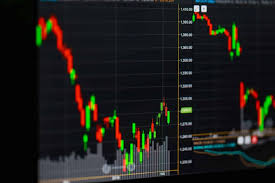
Technical analysis involves analyzing historical price charts and using various indicators to forecast future price movements. Traders often look for patterns and signals that can suggest potential entry and exit points. Commonly used technical indicators include Moving Averages, Relative Strength Index (RSI), and Bollinger Bands.
2. Fundamental Analysis
Fundamental analysis focuses on evaluating the economic factors that can influence currency prices. This includes interest rates, inflation rates, and geopolitical events. Understanding how these factors impact currency values can help traders make informed decisions about when to buy or sell.
3. Sentiment Analysis
Sentiment analysis involves gauging the mood of the market—whether traders are feeling bullish or bearish. Sentiment indicators, such as the Commitment of Traders (COT) report, can help identify potential market turning points based on the positioning of large traders.
Risk Management in Forex Trading
One of the most critical aspects of successful Forex trading is managing risk. Here are some essential risk management techniques:
- Set Stop-Loss Orders: A stop-loss order automatically closes your position when the price reaches a certain level, limiting potential losses.
- Use Take-Profit Orders: Similar to stop-loss orders, a take-profit order closes your trade once it reaches a predetermined level of profit.
- Diversification: Avoid placing all your capital in one currency pair. Diversifying across different pairs can reduce risk.
- Limit Leverage: While leverage can amplify profits, it also increases the risk of significant losses. Use it wisely and understand the risks involved.
Common Mistakes to Avoid
Even experienced traders sometimes make mistakes. Here are some common pitfalls to avoid:
- Overtrading: Trading too frequently or with too large a position can lead to losses, especially in volatile markets.
- Ignoring Analysis: Relying solely on gut feelings or tips from others without conducting proper analysis can lead to poor decision-making.
- Letting Emotions Take Control: Emotional trading often results in irrational decisions. Stick to your strategy and maintain discipline.
Conclusion
Forex trading can be both exciting and rewarding, but it also comes with its share of risks. By understanding the basics, developing a robust trading strategy, implementing strong risk management practices, and avoiding common mistakes, you can enhance your chances of success in the Forex market. Remember that continuous learning and adaptation to changing market conditions are key to becoming a successful trader. Equip yourself with the right tools and knowledge, and you’ll be well on your way to mastering the art of Forex trading.