By: Montana State College Extension
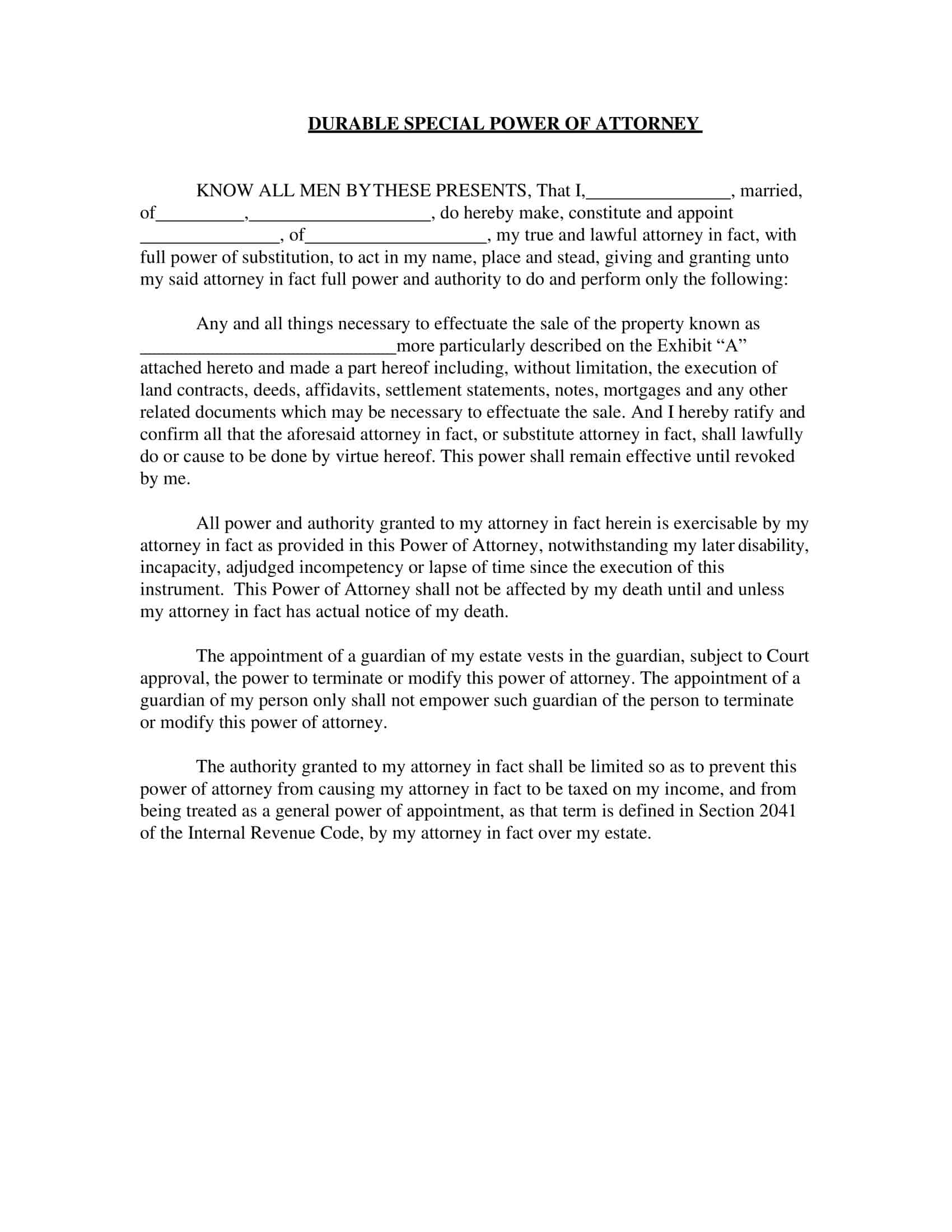
There are Montanans that, because of their conditions, might take advantage of having a Power of Attorney (POA). A POA is a document in which someone provides an additional individual the power to carry out certain activities on his or her behalf.
Intro
There are Montanans that, because of their circumstances, could gain from having a Power of Attorney (POA). A POA is a file in which a single person gives an additional individual the power to conduct specific actions on his/her behalf. Instances of circumstances in which a written POA could be valuable consist of:
A single woman whose mother has Alzheimer’s condition recognizes she would require someone to make monetary choices if she establishes the exact same problem. A grown-up with a cognitive or psychological disability who lives and functions separately, however requires support with financial decisions. An elderly grandmother with macular deterioration wants her little girl to identify costs obtained in the mail and write checks for them since she can no more see. A partner and other half that intend to give each other authority to handle funds must either one should become incapacitated.
This write-up has actually been adapted from the Montana State University Extension Office’s MontGuide, “Power of Attorney.” The function of this MontGuide is to offer details regarding the Montana Attire Power of Attorney Act(effective October 1, 2011). The Act sets out stipulations for the creation and use a POA and provides safeguards that are created to shield:
The person who provides the power (principal); The individual who is accredited to choose in support of the principal (agent); and, Those who are asked to rely upon the POA authority, such as banks, businesses and various other entities.by link Indiana Dmv Power of Attorney step-by-step walkthrough website
The MontGuide also highlights several of the risks of a POA and discusses attributes of 2 forms that were included in the Act:
Montana Statutory Power of Attorney Agent’s Qualification regarding the Legitimacy of Power of Attorney and Agent’s Authority Statutory types are offered to download on this website and at the MSU Extension Estate Planning website under the Power of Attorney MontGuide.
Why have a Power of Attorney (POA)?
With a POA an individual (principal) can assign an additional person (agent) to act on the major’s behalf. The agent can sign lawful documents when the principal is not available, when the principal likes the ease of having somebody else sign, or when the major becomes incapacitated.
Instance A:
Sara (principal), a homebound senior mother who comes to be flustered and emphasized when challenged with financial decisions, desired her little girl (representative) to have the authority to write checks to spend for grocery stores, medicine and other individual products for her. Sara signed a POA to give authority for her little girl to carry out not just these types of actions, but likewise to make any other monetary decisions for Sara in the future.
Example B:
Jack (principal), a Montana National Guardsman that has been released overseas, authorized a POA that provides his better half (agent) authority to sell their home. He likewise licensed her to retrieve a deposit slip labelled entirely in his name that will certainly get to maturity while he is out of the nation. Jack’s POA restricts his other half’s activities to those two purchases only.
A POA file can be produced by utilizing the statutory kind referred to in this MontGuide or by having an attorney prepare one. The legal kind may appropriate for several Montanans. Nonetheless, those with challenging funds or special situations might desire to seek advice from an attorney.
What are several of the dangers of a POA?
The significant threat for the principal is the possible dishonesty of the representative. Regrettably, there have been instances of agents that proved to be unreliable and mistreated money belonging to the principal. And, most of the times the money might not be recouped.
Instance C:
David, a Montana National Guardsman, named his papa as agent in a POA prior to he was deployed overseas. David’s pay was deposited in a savings account that his daddy can access under the POA. Unknown to David his daddy had a betting addiction and shed every one of his personal funds, along with all of the cash in David’s interest-bearing account. David did not find his father’s misuse of the funds until he went back to Montana a year later on. Although David might have litigated in an effort to recover his money, he picked not to do so because he didn’t want to sue his very own father. He additionally recognized there were no properties to be recuperated since his papa gambled away whatever.
Instance D:
Marlene, an elderly widow, spoke to a lawyer to compose a POA calling her niece, Beth, as representative. The attorney asked Marlene why she felt she needed a POA now in her life. He additionally asked Marlene about her relationship with her niece. He encouraged Marlene of the threat that Beth can misuse her properties. Marlene determined her threat of future inability outweighed the threat that her niece could abuse the POA. 6 months after the POA was authorized, Marlene found her stocks and bonds had actually been marketed by her niece. Beth utilized Marlene’s money for her individual usage. Although Marlene can sue her niece, she would certainly recoup absolutely nothing because Beth had no assets.
That should be named as representative in a POA?
Only the principal can choose who must serve as agent. The individual needs to be somebody the major trusts to accomplish the responsibilities mentioned in the POA. An agent does not have to be a loved one. The principal should avoid naming someone that is ill, a person who has trouble taking care of cash, or someone who is unskilled in financial issues.
What are the obligations of an agent?
The principal should inform the agent what authority (commonly called a power) has been given in the POA document and make sure that the agent comprehends what activities can be taken. The discussion needs to additionally include an explanation of the primary’s monetary passions and how the potential choices of the agent might affect those rate of interests.
The Montana Attire POA Act details the representative’s responsibilities and certain authority. Additional details can be found in the Montana Code Annotated § 72-31-301 via § 72-31-367.
The Montana Statutory POA act likewise includes an area, Important Information for Representative, explaining several of the representative’s tasks and scenarios for discontinuation of the agent’s authority. The area also has information about potential liability for any losses caused by the representative’s offenses of the Montana Attire POA Act, including any kind of actions taken outside the authority given by the principal. The principal must ask whether the agent agrees to think the obligations and liabilities as laid out in the Montana Attire POA Act.
What choices can a representative make on the principal’s
behalf? The major decides what actions can be taken by the representative. The statutory form within the Montana Uniform POA Act provides a list of transaction groups that can be included in the representative’s basic authority:
- Real estate;
- Substantial personal property;
- Supplies and bonds;
- Products and choices;
- Banks and other financial institutions;
- Procedure of entity or business;
- Insurance policy and annuities;
- Estates, trust funds, and other beneficial interests;
- Claims and litigation;
- Personal and family maintenance;
- Benefits from federal government programs, civil or military service;
- Retirement plans; and
- Taxes.
What added decision-making authority can be given to a representative in a POA?
The Montana Uniform POA Act lists certain activities the representative can take, however only if the primary particularly specifies the powers in the POA. The principal should carefully take into consideration whether the extra powers listed below need to be provided to an agent as they can dramatically affect the principal’s estate plan.
- Develop, change, withdraw, or end a revocable living depend on;
- Make a present;
- Produce or alter legal rights of survivorship;
- Develop or alter a recipient designation;
- Waive the primary’s right to be a recipient of a joint and survivor annuity; including a survivor benefit under a retirement plan; or
- Disclaim building.
However, a representative is not permitted to create a will certainly for a principal. Nor can a representative use POA authority to directly represent the principal in court.