
Mastering Forex Currency Trading Online: Strategies, Tools, and Tips
In today’s fast-paced financial landscape, Forex currency trading online has emerged as one of the most accessible and popular ways to invest and grow wealth. With the right strategies and tools, traders can capitalize on the fluctuations of currency values and make informed trading decisions. If you’re looking to dive into the Forex market, this comprehensive guide will help you understand the essentials, along with a valuable resource: forex currency trading online Best Trading Apps.
What is Forex Trading?
Forex, or foreign exchange, is the global marketplace for trading national currencies against one another. Unlike stock markets, the Forex market operates 24 hours a day, five days a week, making it the largest and most liquid financial market in the world. Successful Forex trading requires a solid understanding of currency pairs, market analysis, and risk management.
Getting Started with Forex Trading
To begin trading Forex online, you must first choose a trading platform. There are various platforms available, some geared towards beginners while others cater to seasoned traders. Some key features to look for in a trading platform include:
- User-friendly interface
- Variety of trading tools and indicators
- Access to educational resources and market research
- Robust customer support
Understanding Currency Pairs
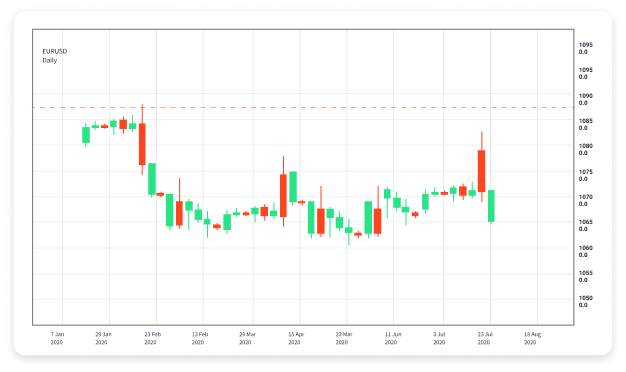
Forex trading always involves pairs of currencies. For example, in the pair EUR/USD, the Euro is the base currency, and the US Dollar is the quote currency. The price indicates how much of the quote currency is needed to purchase one unit of the base currency. There are three types of currency pairs:
- Major Pairs: These pairs include the most traded currencies and generally have high liquidity, e.g., EUR/USD, USD/JPY.
- Minor Pairs: These pairs consist of currencies that are less commonly traded, e.g., GBP/AUD.
- Exotic Pairs: These pairs feature a major currency against a currency from a developing economy, e.g., USD/THB.
Technical Analysis in Forex Trading
Technical analysis involves analyzing historical price data to identify trends and forecast future price movements. Traders use various tools and indicators so they can make informed decisions. Common technical indicators include:
- Moving Averages: Used to smooth out price data to identify trends.
- Relative Strength Index (RSI): Helps identify overbought or oversold conditions in the market.
- Bollinger Bands: Provides a relative definition of high and low prices, helping to identify volatility.
Fundamental Analysis in Forex Trading
While technical analysis focuses on price patterns, fundamental analysis takes a broader approach, examining economic indicators, news events, and geopolitical factors that can influence currency valuation. Key indicators include:
- Interest Rates: Central banks’ interest rate policies can significantly affect currency values.
- Inflation Rates: High inflation typically devalues a currency, while lower inflation strengthens it.
- Job Reports: Employment statistics provide insights into the economic health of a nation.
Risk Management Strategies
Effective risk management is crucial for success in Forex trading. Traders should follow these key strategies:
- Set Stop-Loss Orders: A stop-loss order limits potential losses by automatically closing a trade at a predetermined price level.
- Use Leverage Wisely: Leverage can amplify profits but also increases the risk of losses. Understanding how to use it effectively is vital.
- Diversify Your Portfolio: Diversification can help mitigate risk by spreading investments across various currency pairs.

Choosing a Trading Style
Your trading style significantly influences your strategies and time commitment. Some common trading styles include:
- Scalping: Involves executing numerous trades throughout the day, taking advantage of small price movements.
- Day Trading: Traders open and close positions within the same trading day, avoiding overnight risks.
- Swing Trading: Positions are held for several days or weeks, capitalizing on larger price swings.
- Position Trading: A long-term strategy where traders hold positions for months or even years.
Developing a Trading Plan
A solid trading plan should outline your goals, risk tolerance, and specific trading strategies. It’s crucial to stick to your plan and adjust only based on solid research and analysis rather than emotions. Essential components of a trading plan include:
- Clearly defined entry and exit points
- Risk management rules
- Market analysis guidelines
- Regular performance reviews
Utilizing Trading Apps
With the rise of mobile trading technology, many traders opt to use trading apps for Forex trading on the go. These apps provide the same functionality as desktop platforms, with the added convenience of mobility. Features to look for in trading apps include real-time data, customizable charts, and advanced order types.
Conclusion
Forex currency trading online can be a rewarding endeavor if approached with the right knowledge, tools, and strategies. By understanding the market dynamics, applying technical and fundamental analysis, managing risk effectively, and utilizing modern trading platforms, you can increase your chances of success in the Forex market. Continuous learning and adaptability are essential as you refine your trading skills and strategies for long-term success.