The historical evolution of gambling From ancient rituals to modern betting practices
Origins of Gambling: Ancient Societies
The roots of gambling can be traced back to ancient civilizations where it was often intertwined with religious and social rituals. In cultures such as the Mesopotamians and Egyptians, games of chance were a common element of societal gatherings. These early forms of gambling included dice games and betting on the outcomes of events, often viewed as a way to seek favor from the gods. Today, there are even online casino slots that pay real money that continue this tradition of chance.

Archaeological findings have revealed artifacts like dice made from animal bones, suggesting that games of chance played a significant role in the daily lives of ancient peoples. The use of these games varied widely, serving not only as entertainment but also as a means of divining the future or making decisions.
The Rise of Formal Gambling Practices
As civilizations advanced, so did the structure surrounding gambling. The Greeks and Romans popularized more organized betting systems. Public events, such as chariot races and gladiatorial contests, drew massive crowds eager to place bets on their favorite competitors. This marked a shift from informal gambling to a more institutionalized approach, laying the groundwork for modern betting practices.
The emergence of written records during this era also contributed to the formalization of gambling. Regulations began to take shape, with governments recognizing the potential for tax revenue from organized betting. This evolution brought about an early form of gambling law, emphasizing both the social acceptance and economic viability of betting activities.
Gambling in the Middle Ages
The Middle Ages witnessed a transformation in gambling practices, influenced by cultural and religious shifts. While gambling faced criticism from the Church, it remained a popular pastime among the nobility. Card games emerged during this period, evolving from earlier games and gaining popularity across Europe.
Despite its stigma, gambling persisted and adapted to societal changes. The establishment of state-controlled lotteries became a significant form of public betting, providing funds for various community projects and stimulating interest in gambling. This era marked a critical juncture in the integration of gambling into societal frameworks.
The Birth of Modern Casinos
The 17th and 18th centuries heralded the birth of modern casinos, beginning in Italy with venues like the Ridotto in Venice, which offered a variety of games in a regulated environment. This set a precedent for establishments that would later flourish across Europe and the Americas. As gambling gained a reputation as a social activity, more elaborate casinos were developed, offering a blend of entertainment and gaming.
This period also saw the invention of new games, including baccarat and roulette, which further captivated the public’s interest. The glamour of these casinos attracted a diverse clientele, setting the stage for the vibrant gaming culture that exists today. With the advent of the Industrial Revolution, gambling became increasingly accessible to the masses, transforming it into a mainstream form of entertainment.
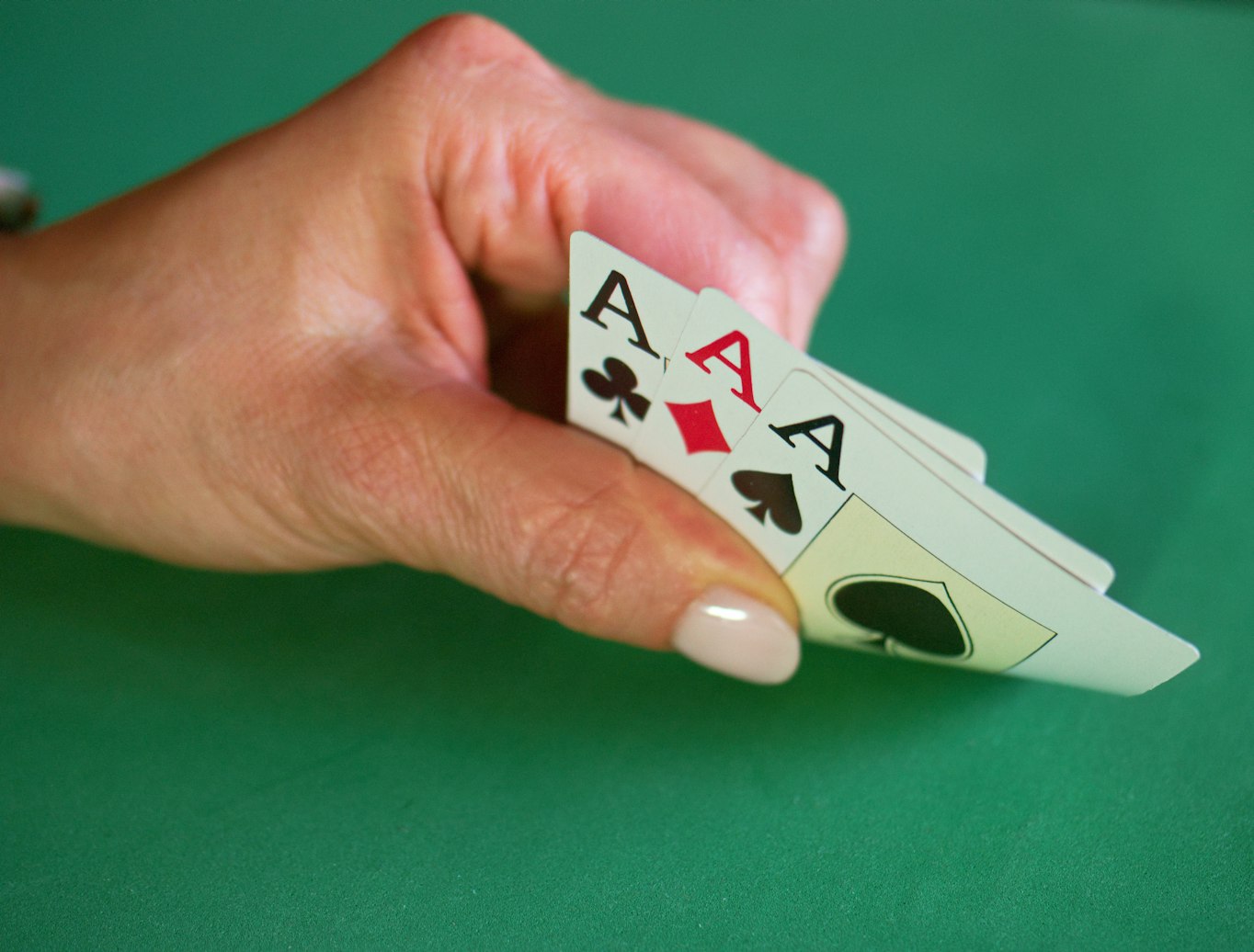
Exploring Contemporary Gambling
Today, gambling has evolved into a sophisticated industry that spans the globe, encompassing everything from online betting to luxury casinos. Technological advancements have revolutionized the way people engage in gambling, with the rise of mobile apps and online platforms making it more accessible than ever. The integration of technology has also introduced new forms of gambling, such as eSports betting and virtual casinos.
This evolution reflects changing societal attitudes toward gambling, with many countries now legalizing and regulating various forms of betting. The modern gambling landscape is marked by an emphasis on responsible gaming practices, ensuring player safety and fairness. As the industry continues to adapt to technological trends and consumer preferences, the future of gambling holds exciting possibilities.